Take every load. Take every challenge.
Your application - our solution.
Check our catalogue of typical applications.
Charge with Minimalistic Infrastructure
Goal / Core Idea
Enable fast charging for customers even when only a weak local grid connection is available.
System Conditions
- Grid power: low performance, e.g. 40A or less
- Battery charges mainly during night hours
- Medium utilization rate
User Experience
- When a car arrives, it charges at maximum possible speed
- Customers do not actively wait, but can spend short to medium time (shopping, haircut, bakery visit)
- Main benefit: quick departure possible despite weak grid
Typical Locations
- Small shops
- Hairdressers
- Bakeries
- Parking lots of small/medium companies
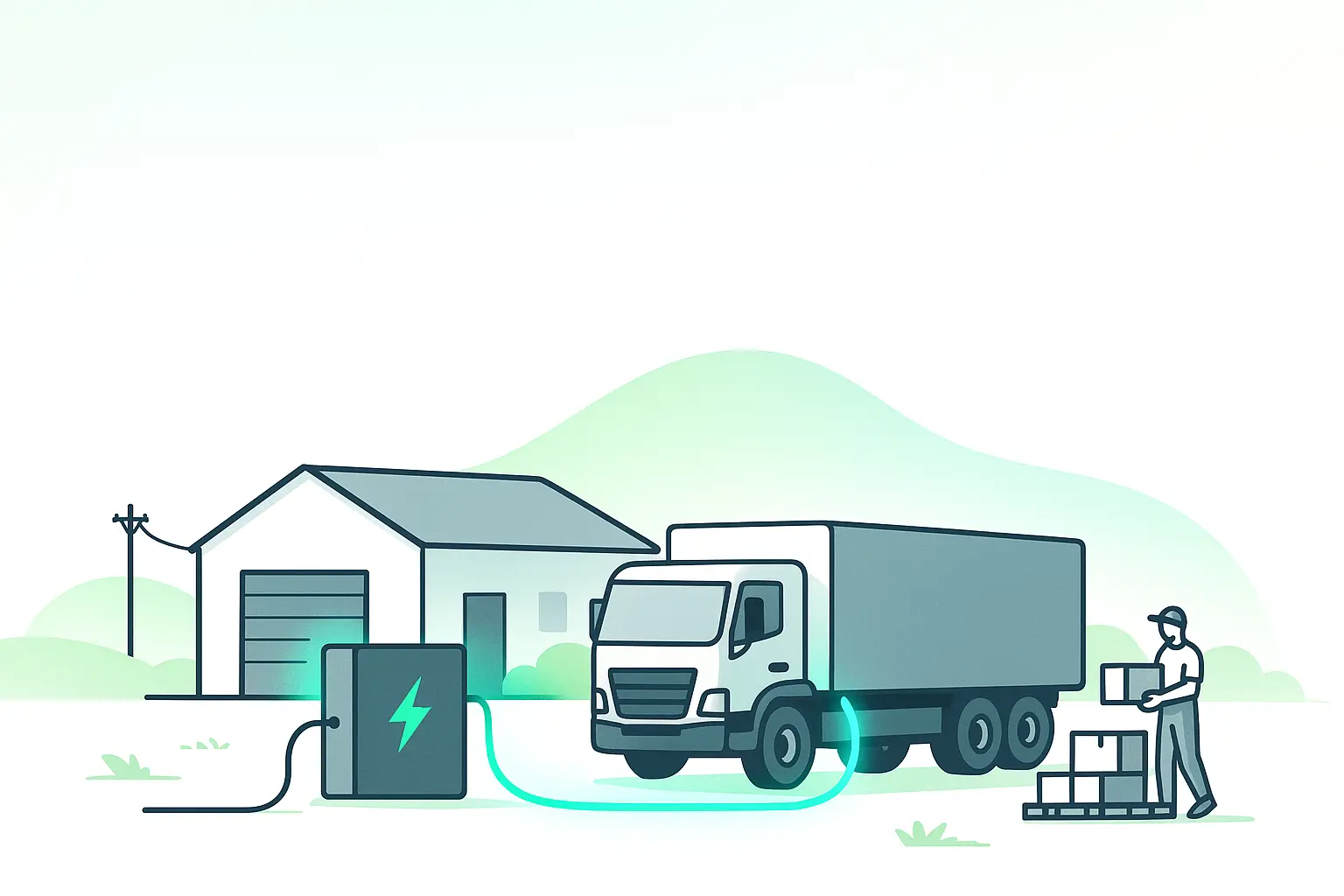
Remote Logistics and E-Truck Charging
Goal / Core Idea
Enable e-trucks to charge at remote or low-frequency warehouses without investing in costly grid expansions.
System Conditions
- Remote site with weak or limited grid
- Xargeon Booster recharges slowly in advance
- Fast discharge possible when a truck arrives (often synchronized with loading/unloading times)
- Low to medium utilization frequency
User Experience
- Truck drivers can recharge during unloading or rest time
- No waiting for grid upgrades or high-cost charging infrastructure
- System ensures operational reliability even in rural or less connected areas
- Main benefit: efficient e-truck charging with minimal infrastructure cost
Typical Locations
- Remote warehouses or logistics hubs
- Distribution centers with lower delivery frequency
- Rural supply points (e.g. agricultural cooperatives, food depots)
- Industrial sites outside urban grid networks
Urban Street Charging with Old Grid Infrastructure
Goal / Core Idea
Provide reliable EV street charging in dense urban areas without overloading or replacing old grid infrastructure.
System Conditions
- Existing city grid is weak or outdated, limited capacity for new charging points
- Xargeon Booster connected to available supply, charging battery slowly and continuously
- Battery enables fast charging for EVs both during day and night
- Grid load remains smooth and predictable
User Experience
- Residents and visitors can charge EVs on the street reliably
- Cars charge at full speed regardless of local grid strength
- No waiting or failed charging due to grid congestion
- Main benefit: more charging points in cities without costly infrastructure upgrades
Typical Locations
- Urban residential streets
- City center parking zones
- Older neighborhoods with limited grid capacity
- Public on-street charging programs
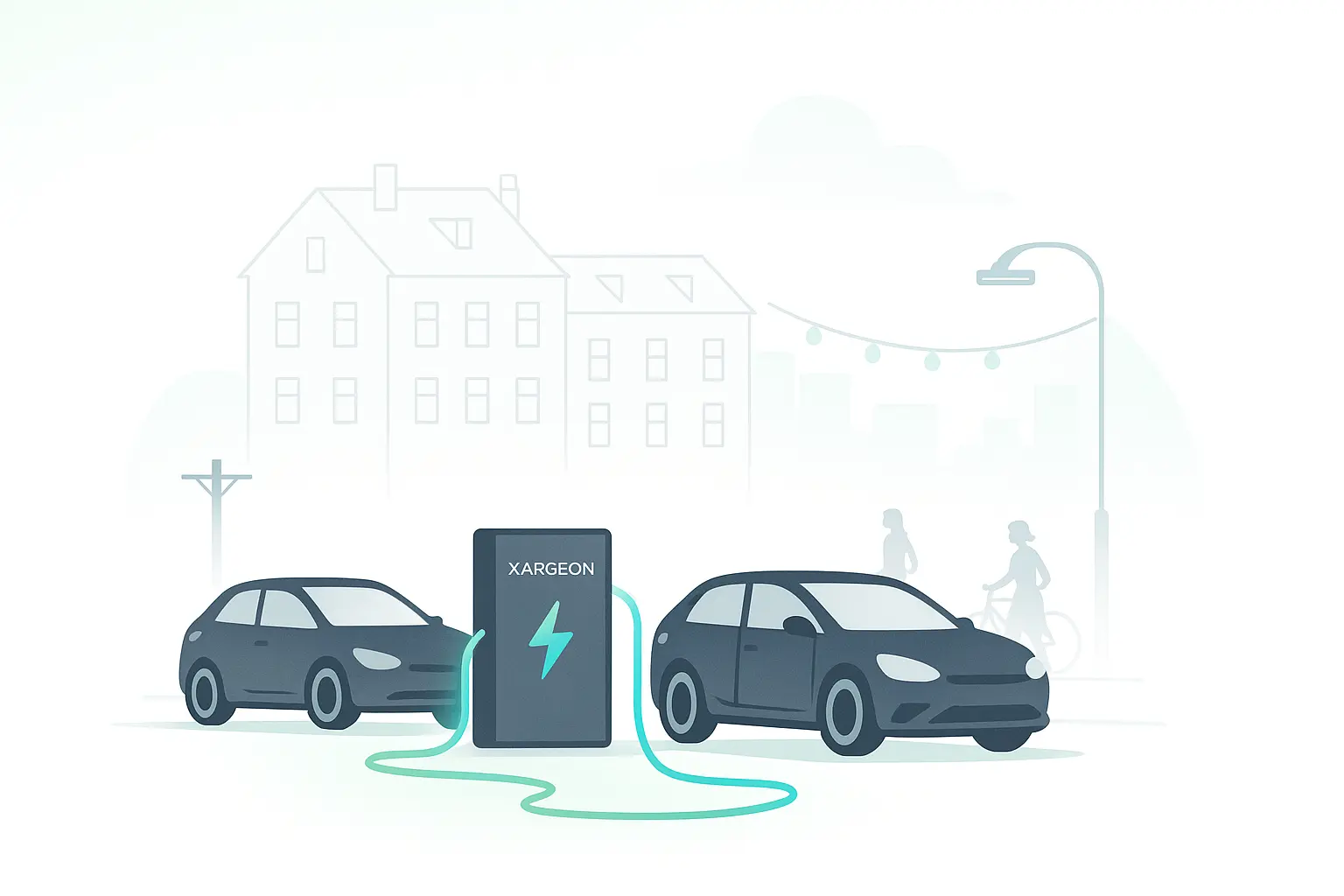
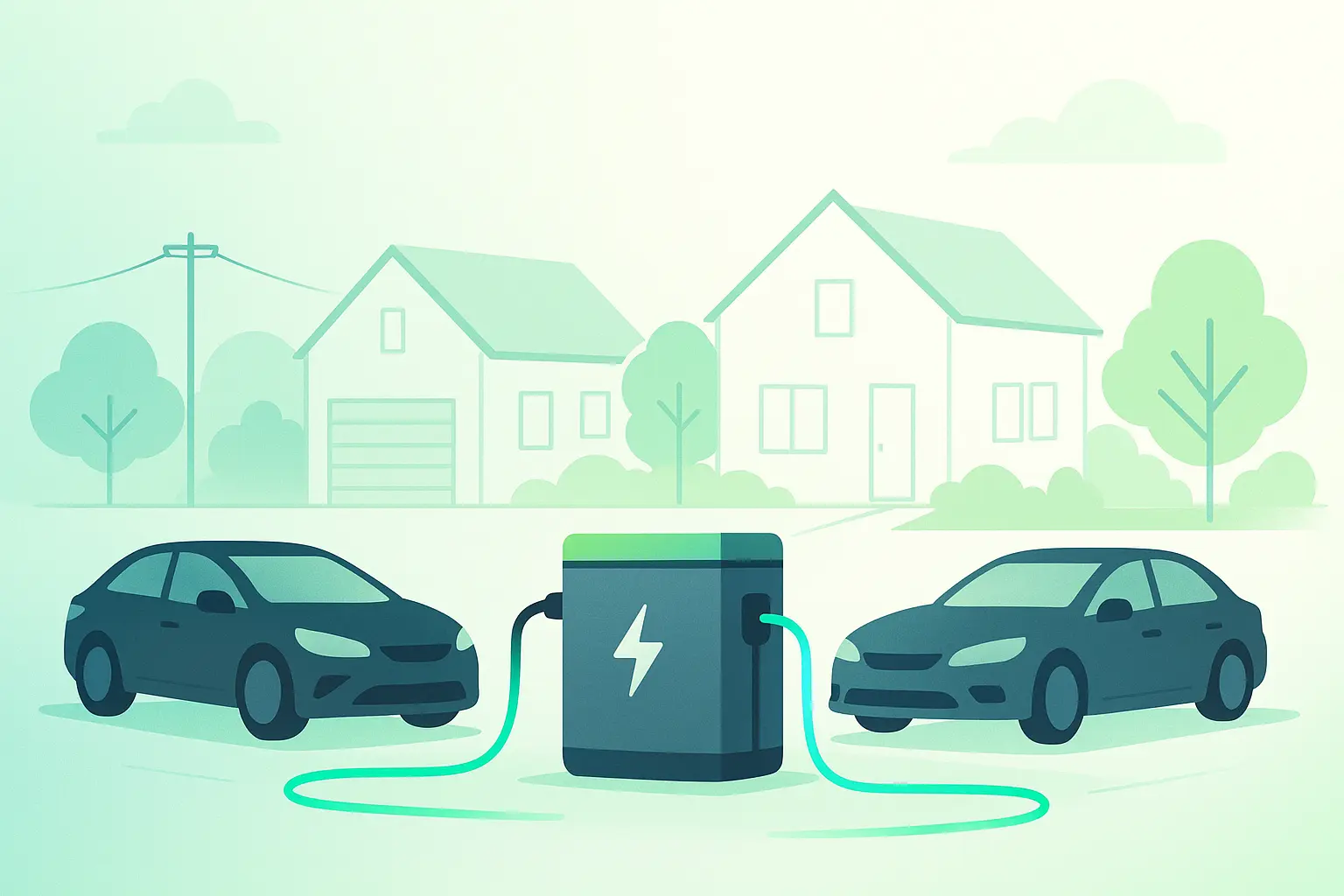
Multi-Car Charging at Private Homes with Limited Grid
Goal / Core Idea
Provide reliable and fast home charging for multiple cars without upgrading the grid connection.
System Conditions
- House with limited grid access (provider unwilling or too costly to upgrade)
- Xargeon Booster with 2–8 dispensers
- Battery recharges during daytime, when residents are typically away
- Charging load is decoupled from weak grid supply
User Experience
- Residents return home and can plug in cars simultaneously
- Vehicles charge at maximum possible speed without stressing the grid
- Users do not need to adapt routines — cars are ready by morning or even earlier
- Main benefit: multiple EVs at one location with a simple setup, no grid expansion needed
Typical Locations
- Single-family houses with several EVs
- Multi-family homes with shared parking
- Private residences in rural or semi-rural areas with weak grids
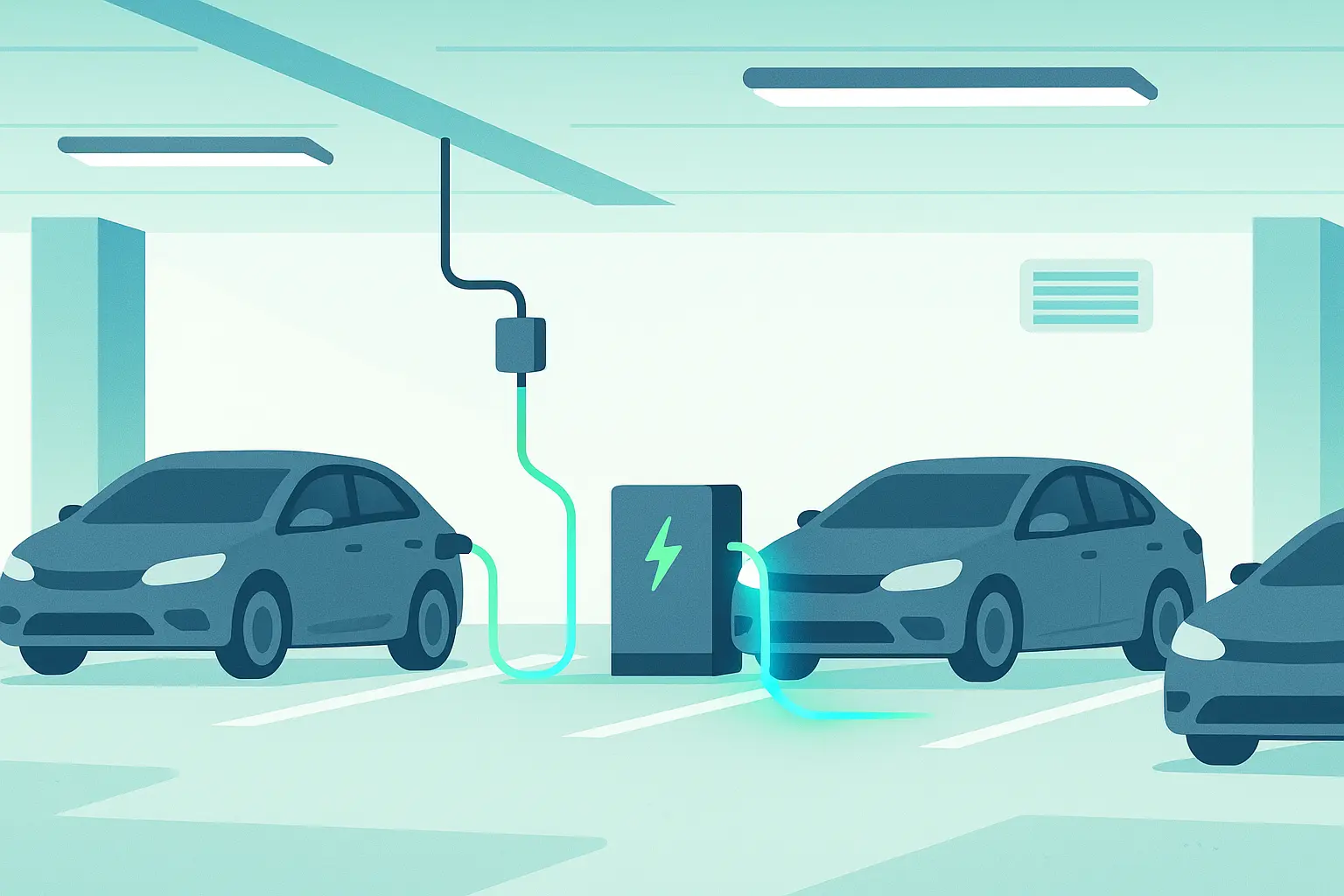
Company Fleet Charging with Limited Grid
Goal / Core Idea
Enable a company to operate a larger EV fleet without expensive grid upgrades, by charging overnight from the Booster Charger.
System Conditions
- Grid connection is limited or grid operator resists upgrades
- Xargeon Booster installed with multiple dispensers (2–8 or more)
- Battery recharges during the day, when vehicles are on the road
- Nighttime charging ensures all cars are ready for use in the morning
User Experience
- Fleet cars return in the evening and are plugged in immediately
- Overnight, vehicles charge at full speed, managed by the Booster system
- Drivers always start the day with fully charged vehicles
- Main benefit: smooth fleet operation without additional infrastructure costs
Typical Locations
- Small and medium-sized companies with several pool cars
- Service providers with daily vehicle use (technicians, delivery, sales teams)
- Municipalities or local utilities with light EV fleets
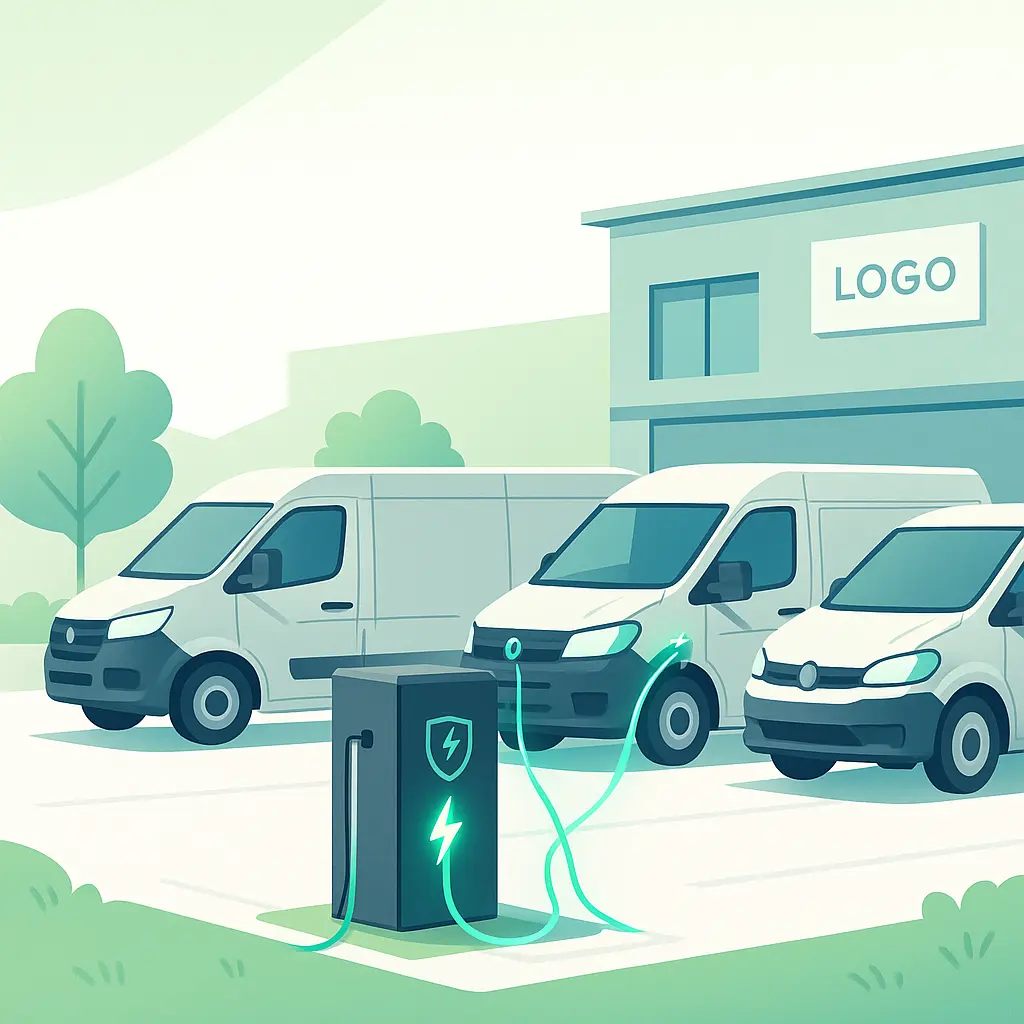
Small Transport Companies Transitioning to E-Trucks
Goal / Core Idea
Enable smaller logistics operators to adopt e-trucks without being blocked by expensive and time-consuming grid upgrades.
System Conditions
- Companies operate from depots with limited grid capacity
- Full grid expansion would cost more than the fuel savings from switching to e-trucks
- Xargeon Booster installed quickly at minimal cost, delivering high charging power from a modest grid connection
- Battery recharges when trucks are away or overnight
User Experience
- E-trucks can be charged reliably between delivery runs
- Companies avoid downtime while waiting for grid upgrades
- Main benefit: transition to electric fleet becomes financially viable and operationally practical
Typical Locations
- Small to mid-size freight forwarders
- Local delivery companies (food, parcels, construction materials)
- Regional transport firms with a few heavy vehicles
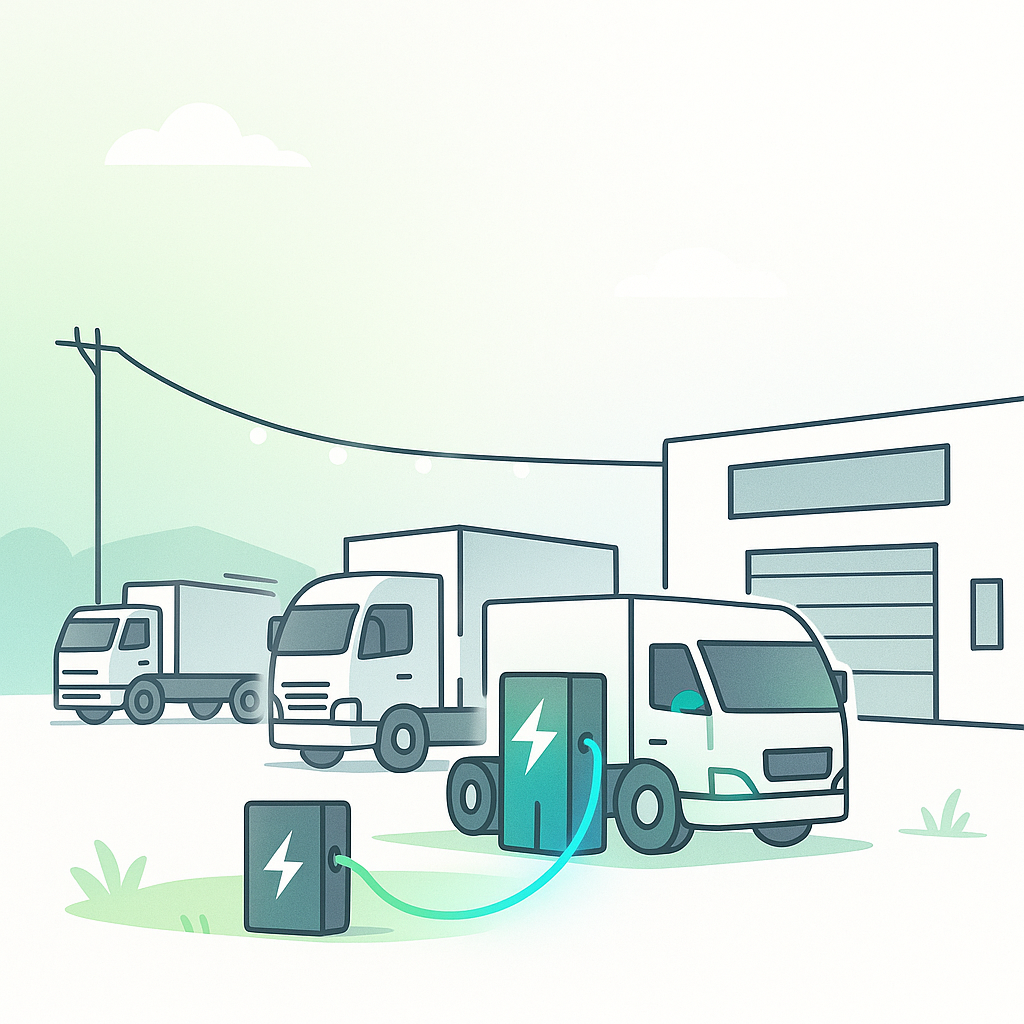
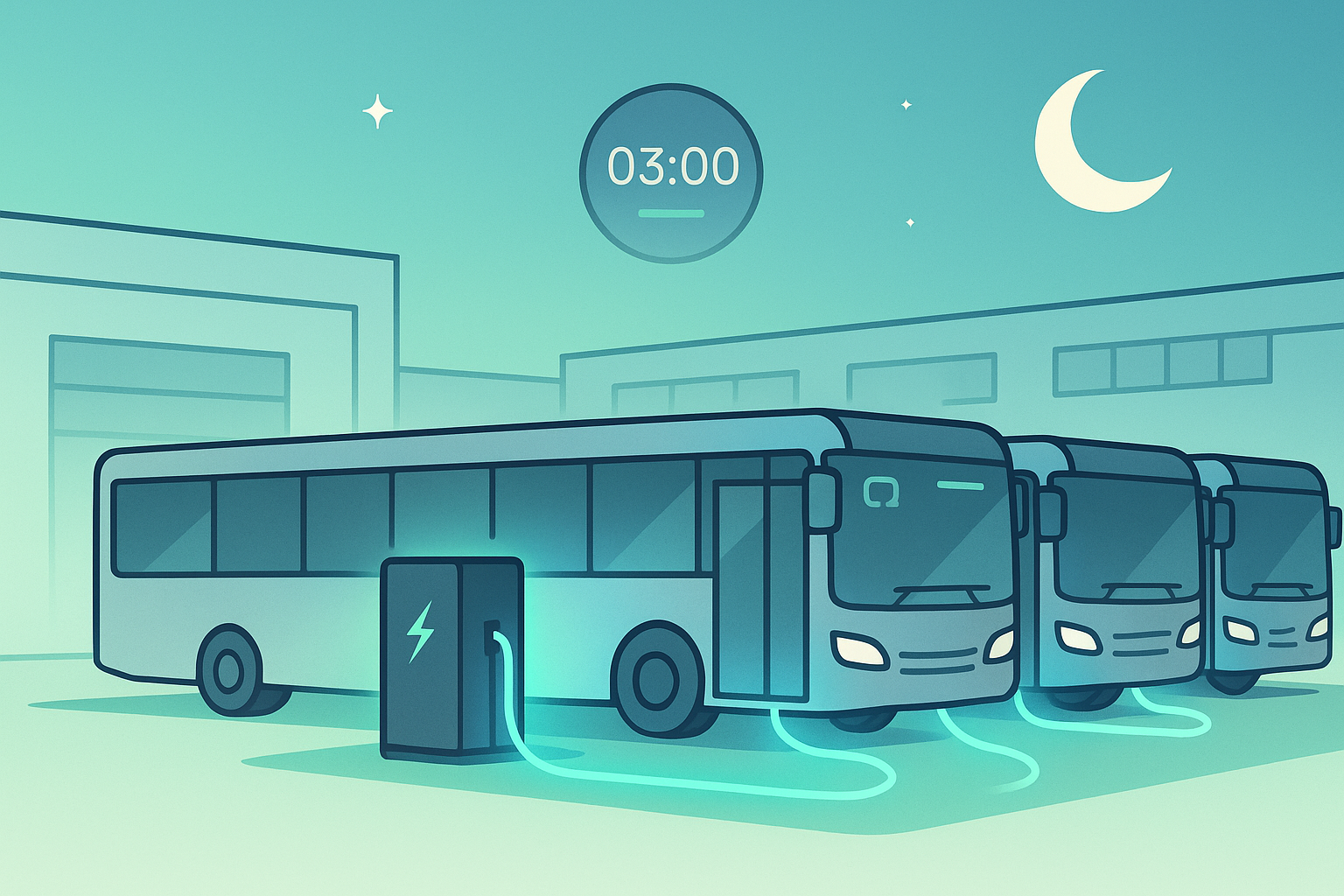
E-Bus Depot Charging with Nighttime Optimization
Goal / Core Idea
Enable efficient overnight charging of electric buses without costly grid expansion, ensuring all vehicles are ready for operation each morning.
System Conditions
Bus depot with limited grid capacity
Buses operate mainly during daytime and return to the depot at night
Xargeon Booster charges its internal battery slowly throughout the day
Overnight, the Booster delivers high charging power to multiple buses simultaneously
Charging schedule can be coordinated automatically with the fleet management system
User Experience
Buses are plugged in immediately upon return
Charging is managed intelligently to ensure all vehicles reach full charge before departure
Depot operation remains quiet and emission-free, replacing diesel generator systems
Main benefit: fully charged fleet every morning, without high grid connection costs or infrastructure delays
Typical Locations
City and regional bus depots
Shuttle or airport bus operations
School bus fleets
Municipal transport operators transitioning to e-mobility
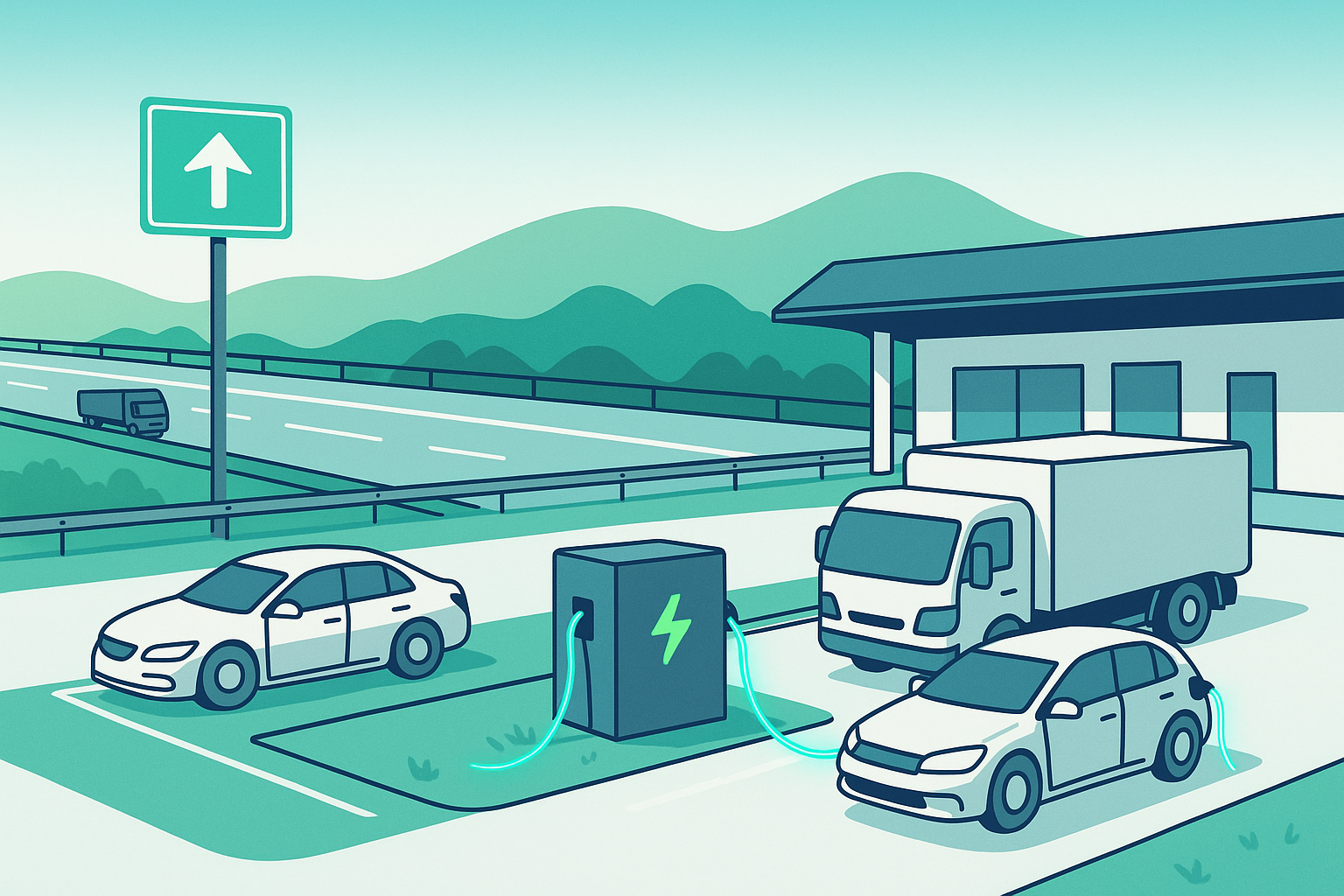
Highway Service Hub Charging
Goal / Core Idea
Provide fast and reliable EV charging along highways where grid capacity is limited and demand fluctuates strongly throughout the day.
System Conditions
- Remote highway locations with weak or costly-to-upgrade grid connections
- Highly variable usage: long idle times alternating with peak demand periods
- Xargeon Booster stores energy steadily during low-demand hours and releases it rapidly during charging peaks
- Ensures stable grid load and high charging performance without costly grid expansion
User Experience
- Drivers can charge at full speed even during simultaneous use of multiple stations
- Charging remains available at all times, regardless of grid strength or location
- Operators reduce operating costs and grid dependency
- Main benefit: high-performance highway charging with predictable costs and minimal infrastructure effort
Typical Locations
- Highway service stations and rest stops
- Roadside restaurants and cafés
- Remote mobility hubs and truck parking areas
- Charging corridors across rural or mountainous regions
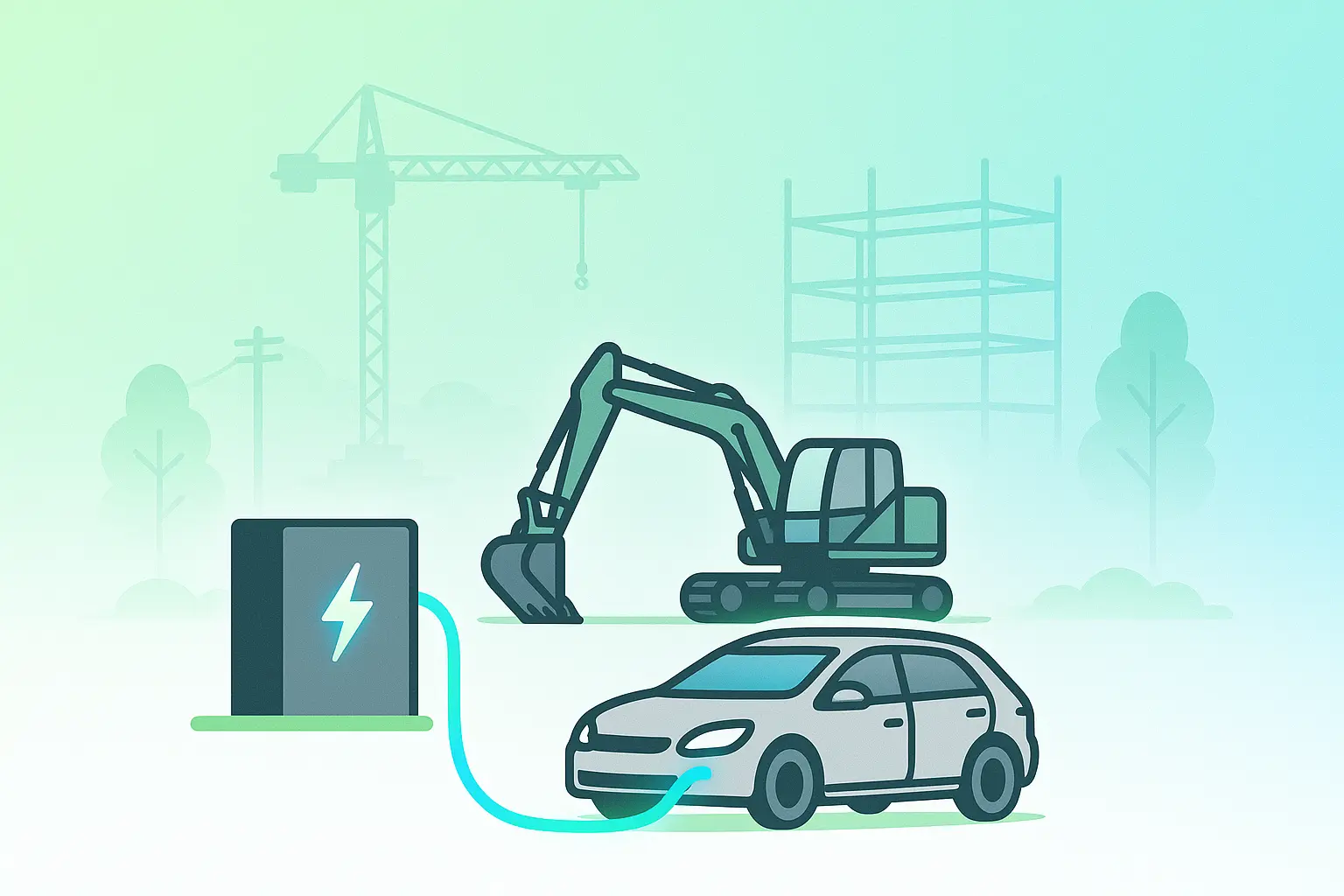
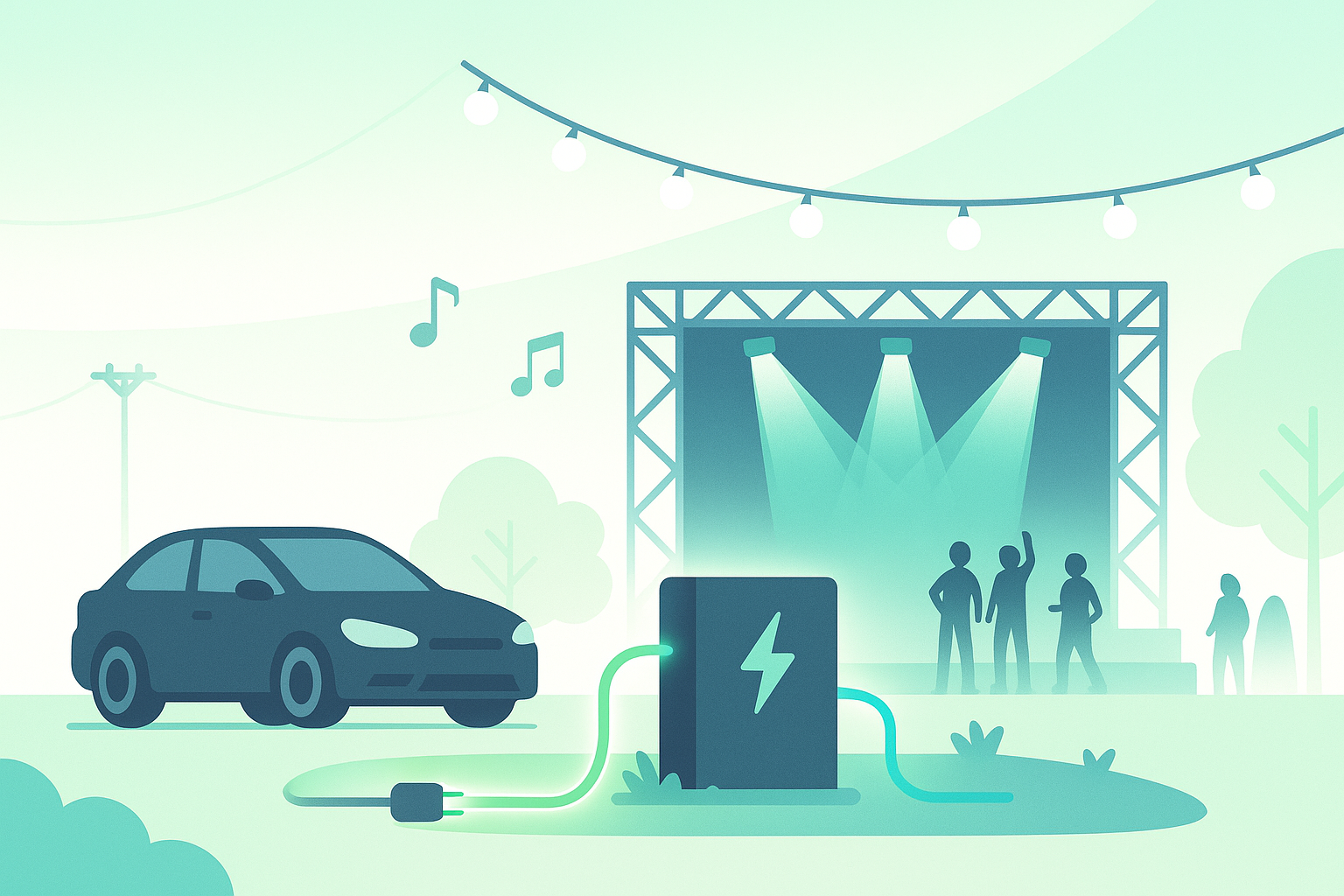
Mobile Infrastructure for Temporary Sites
Goal / Core Idea
Provide flexible, high-power charging at temporary locations without requiring a costly permanent grid upgrade.
System Conditions
- Connected to a weak or temporary grid line (e.g. construction power connection or a festival installation)
- Xargeon Booster acts as buffer battery, charging slowly from the grid and delivering fast charging when needed
- After use, the system can be relocated with forklift and electrician support
User Experience
- EVs, e-machines, or e-trucks at construction sites are charged efficiently
- No downtime waiting for grid upgrades or diesel generators
- System can be moved after project/event completion to a new site
- Main benefit: reliable, temporary charging that travels with the project or event
Typical Locations
- Construction sites with EV machinery or trucks
- Outdoor festivals and large events
- Temporary logistics hubs
- Seasonal businesses (e.g. ski resorts, agricultural operations)